Rare Earth & Advanced Materials
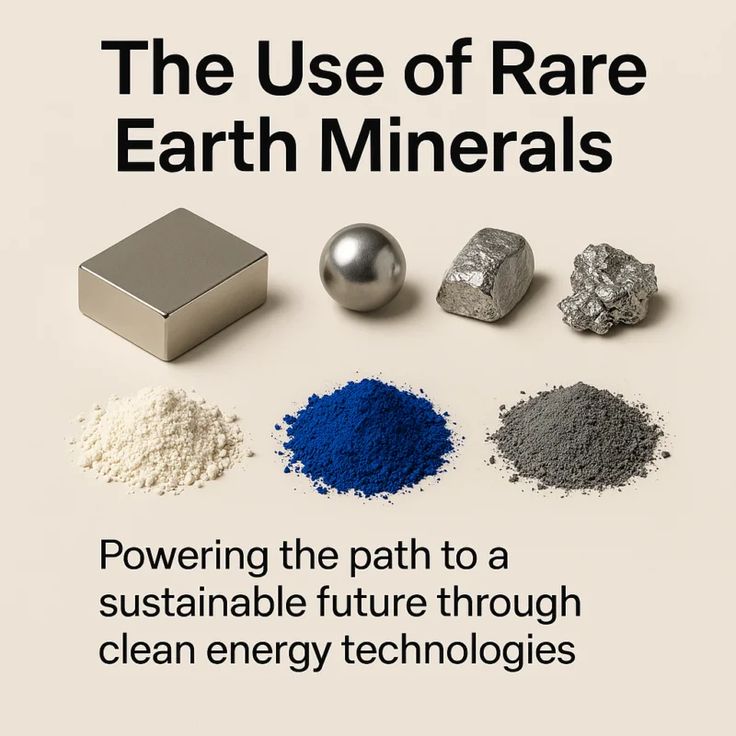
Rare earth elements — the 17 lanthanides plus scandium and yttrium — are the invisible backbone of electric vehicles, wind turbines, smartphones, defence systems, and medical devices. These metallic elements are not actually rare; they exist in relatively abundant concentrations within the Earth's crust. However, their dispersed nature and chemically similar characteristics make extraction, mining, and separation especially challenging and capital-intensive. China controls over 60 percent of global production, making supply chain security a strategic priority for the United States, European Union, and allied nations. By 2026, global demand for these rare earth elements continues to soar, due in large part to their indispensable role in modern green technologies and high-performance applications.
A surge of technological progress is transforming the extraction and processing landscape for rare earth elements in 2026. Seven major innovations are reshaping the field: deep eutectic solvent extraction (DES) harnesses designer, low-toxicity solvents for selective separation with reduced environmental impact; AI-guided hydrometallurgical sequencing uses real-time data and predictive analytics to optimize reagent use and boost extraction efficiency while minimizing byproduct formation; bioleaching and metagenomic-enhanced microbial recovery uses specific microbes to extract rare earths from low-grade ores, supported by metagenomic sequencing for process improvement; electrochemical processing applies novel electrochemical cells to separate lanthanides without hazardous reagents; solvent extraction improvements enhance classical solvent extraction workflows through machine learning and process automation; high-purity separation membranes use advanced ion exchange and membrane technologies to achieve unprecedented purity levels; and advanced ion exchange resins offer superior selectivity and reusability compared to traditional approaches.
Beyond extraction, research has shifted toward substitution and discovery. Researchers at the University of New Hampshire harnessed artificial intelligence to accelerate discovery of new functional magnetic materials, creating a searchable database of 67,573 magnetic materials, including 25 previously unrecognized compounds that retain magnetism at high temperatures. This resource supports the search for sustainable magnetic materials, potentially reducing reliance on rare earth elements and lowering costs in various technologies.
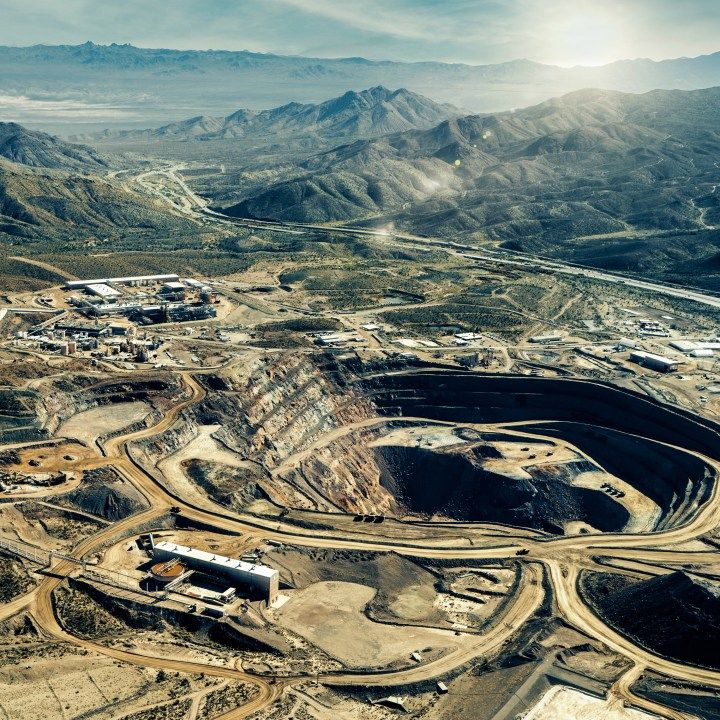
Lynas Rare Earths is the world's largest non-Chinese producer, operating the Mt Weld mine in Australia — one of the highest-grade rare earth deposits in the world — visit lynasrareearths.com. MP Materials operates Mountain Pass in California, the only active US rare earth mine — visit mpmaterials.com. Albemarle Corporation is a global specialty chemicals company focused on lithium, bromine, and catalysts with rare earth applications — visit albemarle.com. Ames National Laboratory and Argonne National Laboratory are the primary US Department of Energy labs working on rare earth element separation science and cerium magnet innovation — visit ameslab.gov and anl.gov respectively. For market intelligence and daily pricing updates, Rare Earth Exchanges is the dedicated tracking platform — visit rareearthexchanges.com. The TechConnect World 2026 Innovation Conference (March 10-12, Raleigh) unites critical minerals, magnet technology, and defense supply chains, bringing together DOE labs, defense agencies, and Fortune 500 firms — visit techconnectworld.com. For biomedical applications of rare earth element nanoparticles in cancer therapy, imaging, and drug delivery, research is published openly at ncbi.nlm.nih.gov.
Rare earth elements (REEs) are characterized by partially filled 4f orbitals, giving rise to unique magnetic, luminescent, and catalytic properties.
Core Scientific Foundations
- Electronic structure and quantum behavior of lanthanides
- Phase diagrams and alloy formation
- Surface chemistry and catalytic activity
Advanced Research Areas
- High-performance permanent magnets (NdFeB, SmCo)
- Rare-earth doped optical materials (lasers, phosphors)
- Nanostructured materials for energy storage and conversion
- Advanced ceramics and ultra-high temperature materials
Emerging Directions
- Substitution strategies to reduce dependence on critical REEs
- Recycling technologies for electronic waste recovery
- Smart materials with adaptive mechanical/electrical properties
Key Challenges
- Geopolitical concentration of REE supply
- Environmentally intensive extraction processes
- Material degradation under extreme conditions