Biotechnology & Life Sciences
Biotechnology integrates molecular biology, genetics, and engineering to manipulate living systems for technological applications.
Biotechnology is advancing at a pace that was inconceivable a decade ago. CRISPR base editing now corrects genetic mutations in living humans with single-digit error rates. AlphaFold 3 predicts DNA, RNA, and small molecule interactions with near-experimental accuracy. Autonomous laboratories design, synthesize, and test thousands of compounds in days — a task that would take human teams years. The artificial intelligence in biotechnology market is growing at a compound annual growth rate of 27 percent, expected to reach $16.49 billion by 2034. In April 2026, Anthropic acquired Coefficient Bio for $400 million in stock — the clearest signal yet that frontier artificial intelligence labs view computational biology as a core strategic technology, not a peripheral application.
The convergence of wet biology and computational power is creating what researchers call "biology-native data infrastructure." High-throughput experimentation generates vast datasets — cellular images, gene sequences, protein structures, drug interactions — that are now being analyzed by neural networks trained on decades of accumulated biological knowledge. This virtuous cycle accelerates discovery: AI models predict which experiments to run next, robots execute those experiments at scale, the results feed back into improved models, and the cycle repeats. In early 2026, an autonomous laboratory system designed, synthesized, and tested 1,200 novel battery electrolyte formulations in 72 hours — a feat that would have required a human team five years of continuous work.
CRISPR base editing has matured from laboratory curiosity to therapeutic reality. Unlike traditional CRISPR-Cas9, which cuts both DNA strands and can trigger unwanted repairs, base editors chemically convert one DNA letter to another without breaking the double helix. Clinical trials for CRISPR-based treatments for sickle cell disease and beta-thalassemia are advancing toward approval. Meanwhile, single-cell genomics reveals the molecular diversity within tissues and tumors, enabling researchers to identify rare cell populations driving disease. Spatial transcriptomics — measuring gene expression while preserving tissue architecture — has become routine in leading labs. Synthetic biology is moving beyond genetic engineering into metabolic engineering, where researchers redesign entire biochemical pathways to produce medicines, materials, and fuels.
The Broad Institute of MIT and Harvard pioneered CRISPR base editing and single-cell genomics, establishing the technological foundation for modern biotech — visit broadinstitute.org. Isomorphic Labs, the Google DeepMind spinout behind AlphaFold, has partnerships with Eli Lilly, Novartis, and Johnson & Johnson with potential value exceeding $3 billion and is advancing internal oncology pipelines toward first-in-human trials — visit isomorphiclabs.com. Recursion Pharmaceuticals combines robotics, deep learning, and high-throughput biology in its Recursion Operating System platform, with internal programs focused on oncology and rare disease — visit recursion.com. Owkin applies federated artificial intelligence to drug discovery, protecting data privacy across hospital networks, and maintains a $180 million strategic partnership with Sanofi — visit owkin.com. The Wellcome Sanger Institute leads cancer genomics, pathogen surveillance, and human genetics research — visit sanger.ac.uk. For open-access biological research and literature, PubMed remains the most comprehensive indexed database covering over 35 million citations — visit pubmed.ncbi.nlm.nih.gov. The Allen Institute for AI funds open research in scientific artificial intelligence including Semantic Scholar — visit allenai.org.
Biotechnology integrates molecular biology, genetics, and engineering to manipulate living systems for technological applications.
Core Scientific Foundations
- DNA/RNA structure and gene expression regulation
- Enzyme kinetics and metabolic pathways
- Cellular signaling and systems biology
Advanced Research Areas
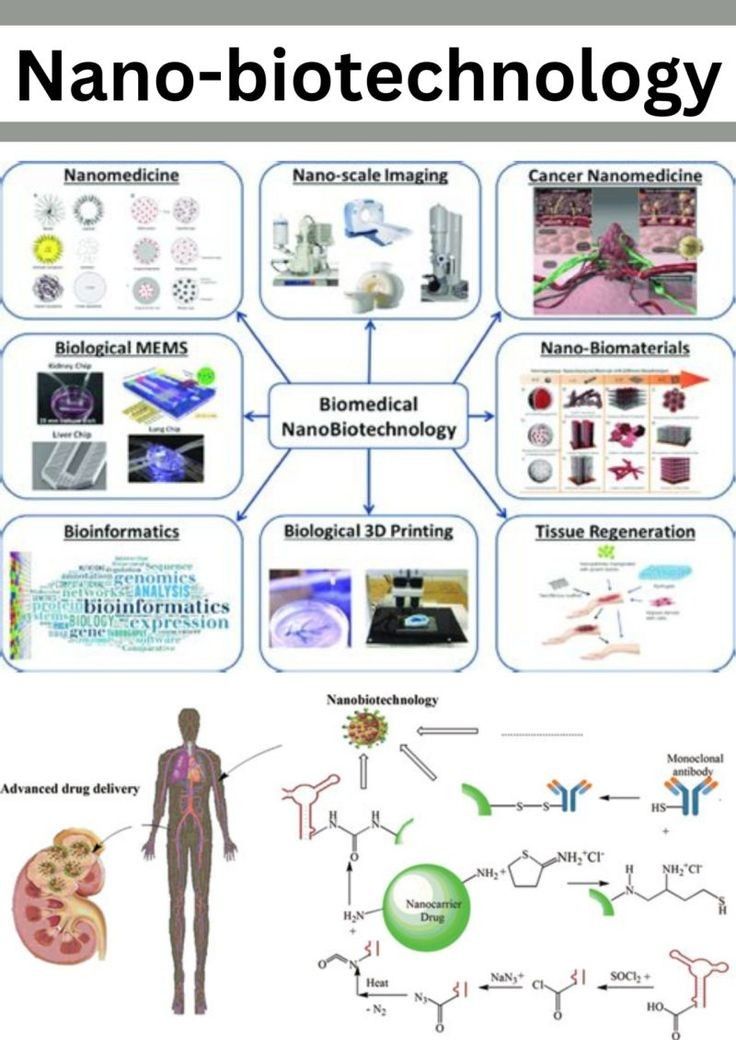
- CRISPR-Cas systems for precise genome editing
- Synthetic biology (design of artificial biological systems)
- Biosensors using nanomaterials and biomolecules
- Tissue engineering and regenerative medicine
Emerging Directions
- Gene therapies for previously untreatable diseases
- AI-driven protein structure prediction and design
- Biohybrid systems combining biological and electronic components
Key Challenges
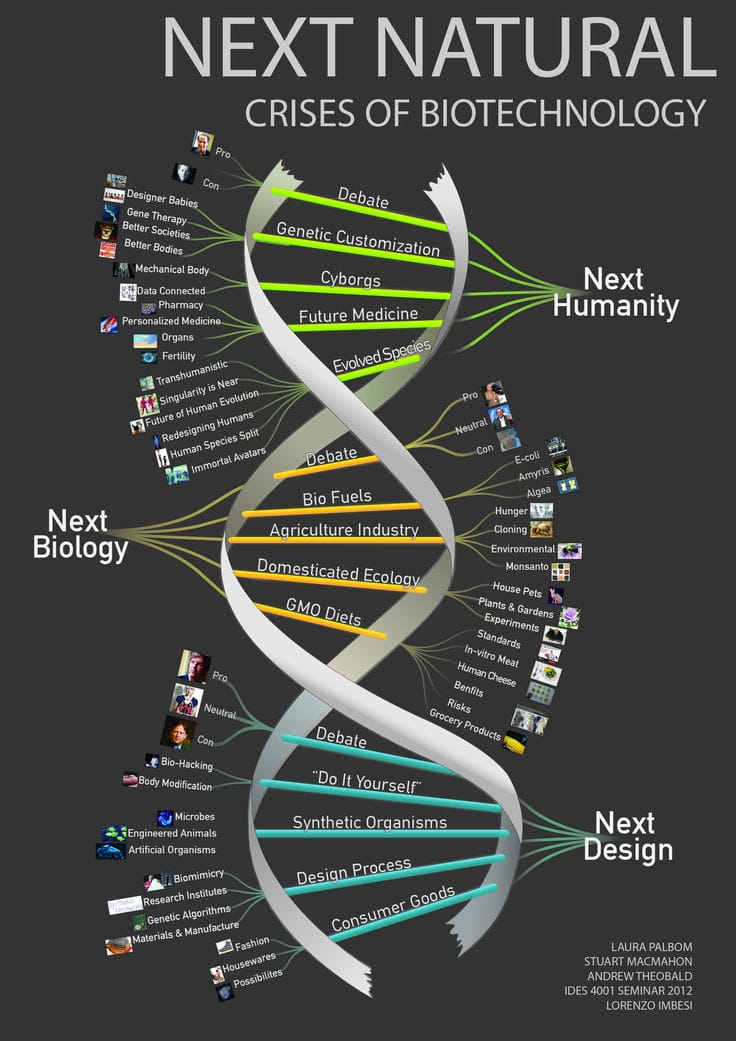
- Ethical and regulatory concerns in genetic modification
- Scalability of bioprocesses
- Data integration in complex biological systems